Understanding Glaucoma: Detection, Prevention, and Ongoing Care
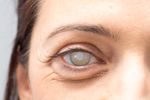
Glaucoma is one of the leading causes of irreversible vision loss worldwide, yet many people don’t realize they have it until significant damage has already occurred. Often called the “silent thief of sight,” glaucoma can progress without noticeable symptoms in its early stages. Understanding how glaucoma develops, how it’s detected, and how it’s managed over time is essential for protecting your long-term vision.
What Is Glaucoma?
Glaucoma is a group of eye diseases that damage the optic nerve, which is responsible for transmitting visual information from the eye to the brain. This damage is most commonly associated with elevated intraocular pressure (IOP), though glaucoma can occur even when eye pressure appears normal.
The most common form, open-angle glaucoma, develops slowly and painlessly. Other types, such as angle-closure glaucoma, can occur suddenly and require immediate medical attention.
Why Early Detection Is So Important
One of the greatest challenges with glaucoma is that vision loss often begins in the peripheral vision and progresses inward. Because central vision usually remains clear in the early stages, many patients don’t notice changes until the disease is advanced.
Comprehensive eye exams are critical for early detection. These exams may include:
- Measuring eye pressure
- Evaluating the optic nerve
- Testing peripheral vision
- Assessing corneal thickness
When glaucoma is detected early, treatment can significantly slow or halt its progression, helping preserve vision for years to come.
Who Is at Higher Risk for Glaucoma?
While glaucoma can affect anyone, certain factors increase the risk, including:
- A family history of glaucoma
- Age 60 and older
- African, Hispanic, or Asian ancestry
- Diabetes, high blood pressure, or heart disease
- Long-term steroid use
- Previous eye injuries
If you fall into a higher-risk category, regular eye exams are especially important - even if your vision seems fine.
Can Glaucoma Be Prevented?
There is no guaranteed way to prevent glaucoma, but early detection and proactive care are the most effective tools for minimizing its impact. Maintaining a healthy lifestyle, managing systemic conditions like diabetes, and attending routine eye exams all play an important role in protecting eye health. Avoiding skipped appointments and following treatment plans carefully can make a meaningful difference in long-term outcomes.
Ongoing Care and Treatment Options
Although glaucoma cannot be cured, it can be managed effectively with consistent care. Treatment plans are tailored to each patient and may include:
- Prescription eye drops to lower eye pressure
- Oral medications
- Laser treatments
- Surgical procedures, when necessary
Ongoing care is essential, as glaucoma requires lifelong monitoring. Even when symptoms are absent, regular follow-up visits allow your eye doctor to track changes and adjust treatment as needed.
Stay Ahead of Glaucoma with Warm Springs Optometric Group
Glaucoma is a serious eye condition, but it doesn’t have to steal your sight. Understanding the importance of early detection, recognizing risk factors, and committing to ongoing care can make a lasting difference in your vision and quality of life. Routine eye exams remain the most powerful defense against glaucoma-related vision loss.
If you have risk factors for glaucoma, contact Warm Springs Optometric Group to schedule an eye exam and take an important step toward protecting your vision for the future. Visit our office in Fremont, California, or call (510) 490-0287 to book an appointment today.

All Eye
Care Services

Keep
In Touch
MAP
© 2026 Warm Springs Optometric Group. All Rights Reserved. Accessibility Statement - Privacy Policy - Sitemap
Powered by: